
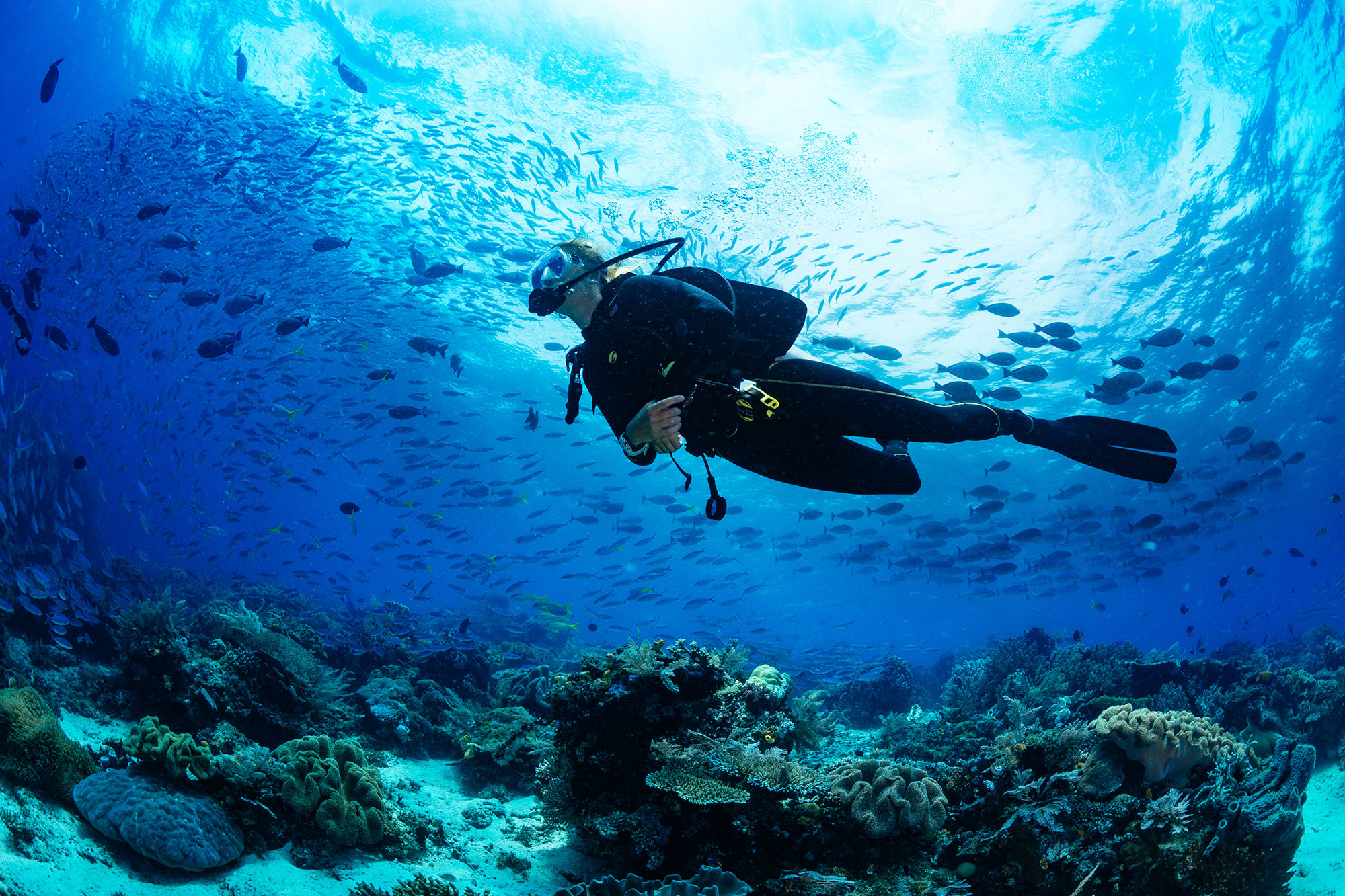
If you're a recreational diver based in Singapore looking for your next underwater adventure without a long-haul flight, Pulau Tioman in Malaysia deserves a top spot on your list. Just a few hours away by road and ferry, Tioman offers clear blue water, healthy coral reefs, and a stunning variety of marine life — all at a fraction of the cost of destinations like the Maldives or Raja Ampat. Whether you're a newly certified Open Water diver or a seasoned Divemaster logging weekend dives, a Tioman dive weekend from Singapore is one of the most accessible and rewarding trips in Southeast Asia.
Why Tioman Is a Top Pick for Singapore Divers
Pulau Tioman sits off the east coast of Peninsular Malaysia, roughly 56 km from the nearest mainland town of Mersing. For Singapore-based divers, the typical route involves a drive or bus up to Mersing (about 3–3.5 hours from Singapore), followed by a ferry ride of approximately 1.5–4 hours depending on your drop-off point on the island.
What makes Tioman especially appealing:
Accessibility: No flights needed. A long weekend is enough.
Affordability: Dive packages, accommodation, and food on the island are budget-friendly compared to other regional dive destinations.
Biodiversity: Tioman is part of a protected marine park, which means fishing is restricted and reef health is well maintained.
Conditions for all levels: Many dive sites are shallow and current-free, making them ideal for newly certified divers.
When Is the Best Time to Go?
This is arguably the most important thing to plan around. Tioman has a defined dive season that runs roughly from late February to early November, with the island effectively shutting down during the Northeast Monsoon (approximately November to February). Most dive operators, resorts, and ferries suspend services during this off-season period.
Here is a seasonal breakdown to help you plan:
March to May — Peak Early Season
This is widely considered one of the best windows to dive Tioman. Water visibility frequently reaches 15–30 metres, currents are generally mild, and the island is not yet crowded with school holiday visitors. March in particular is exciting for macro and critter lovers — Pharaoh cuttlefish mating aggregations are commonly observed around this time, a spectacular natural event where large males compete for females in the shallows.
June to August — School Holiday Peak
Visibility remains good, but this is the busiest period on the island due to Malaysian and Singaporean school holidays. Book well in advance if you plan to travel during this window. Whale sharks have been occasionally reported around Tioman during the warmer mid-year months, though sightings are not guaranteed.
September to October — Quieter Late Season
Crowds thin out considerably. Conditions remain diveable, though the sea state can become slightly choppier as the year progresses toward the monsoon. A good time to go if you prefer a quieter experience.
November to February — Off-Season (Monsoon)
Most dive operators and resorts close. Ferry services become irregular or halt entirely. It is not recommended to plan a dive trip to Tioman during these months.
Tioman has over 20 named dive sites spread across the island. Here are some of the most popular for recreational divers:
1. Renggis Island
One of Tioman's most iconic sites and a favourite for beginners. This small islet just off Berjaya Resort features a sloping reef that drops to around 18–20 metres, populated by bumphead parrotfish, blacktip reef sharks, turtles, and dense schools of fusiliers. Excellent for Open Water-level divers.
2. Tiger Reef
A submerged seamount sitting at around 16 metres that attracts larger pelagic species. Barracuda, trevally, and leopard sharks are regularly spotted here. Some current can be expected, making it better suited for Advanced Open Water divers and above.
3. Chebeh Island
A more advanced site with swim-throughs, overhangs, and colourful soft corals. Nudibranchs and moray eels are common finds for macro enthusiasts. Visibility here is often outstanding.
4. Labas Island
A remote site that requires a slightly longer boat ride but rewards divers with pristine hard coral gardens and a good chance of spotting turtles and reef sharks undisturbed.
5. The Wreck of the MV Tioman
A deliberately sunk vessel that now rests at around 20–25 metres and serves as an artificial reef. The wreck is diveable for Advanced Open Water divers and is heavily colonised by coral and fish life, making it a fantastic underwater photography subject.
Marine Life Highlights
Tioman's protected marine park status means reef health is noticeably better than many unprotected sites in the region. Divers can reasonably expect to encounter:
Green and hawksbill sea turtles
Blacktip and whitetip reef sharks
Bumphead parrotfish (especially at Renggis)
Lionfish, stonefish, and scorpionfish (watch where you put your hands)
Nudibranchs and flatworms (excellent macro subjects)
Schools of batfish, fusiliers, and snappers
Moray eels and cuttlefish
Occasional sightings of leopard sharks resting on the sandy bottom
Practical Tips for Your Tioman Dive Trip from Singapore
Getting There
Drive or take a bus to Mersing (approximately 3–3.5 hours from Singapore's Larkin Bus Terminal via Johor Bahru). From Mersing Jetty, ferries run to various villages on Tioman including Tekek, Salang, Air Batang (ABC), and Genting. Journey time on the ferry varies by destination but is typically 1.5 to 4 hours. Alternatively, high-speed ferries from Tanjung Gemok (near Kuantan) are available for those approaching from the north.
Where to Stay
Most dive operators on Tioman are clustered around Salang (popular with divers), Air Batang (laid-back, good for beginners), and Tekek (the main village with the airport). Many dive resorts offer accommodation and dive packages bundled together, which is the most cost-effective option for a weekend trip.
What to Pack
Reef-safe sunscreen (chemical sunscreens are harmful to coral)
Rashguard or 3mm wetsuit (water temperature typically sits around 27–29°C)
Dive torch — even during the day, useful for peering into crevices and overhangs
Underwater camera or GoPro
Motion sickness medication if you're prone to seasickness on the ferry
Booking a Dive Package
Most Tioman dive operators offer 2-dive or 3-dive boat trip packages. If you're doing a dedicated dive weekend, a package covering accommodation, 2–3 dives per day, and equipment rental is usually the best value. Book in advance during peak months (June–August).
Is Tioman Suitable for Beginner Divers?
Absolutely. Many of Tioman's most popular dive sites — including Renggis Island and several house reefs — are shallow, calm, and well within the limits of an Open Water certification (maximum 18 metres). Dive operators on the island are experienced at guiding newly certified divers and can tailor site selection to your comfort level. If you completed your PADI Open Water course in Singapore and are looking for your first post-certification dive holiday, Tioman is one of the best options in the region.
Conclusion
A dive weekend at Pulau Tioman remains one of the best-value, most accessible dive trips for Singapore-based recreational divers. With a well-defined dive season, outstanding marine biodiversity, beginner-friendly sites, and relatively easy logistics, there's very little reason not to make the trip at least once a year. March and April in particular offer some of the finest conditions of the season — so if you've been on the fence, now is a great time to start planning.