
Scuba diving has long been a window into Earth's most fragile and breathtaking ecosystems. From kaleidoscopic coral reefs to submerged forests, our planet's underwater landscapes offer a sense of awe that few other experiences can match. But beneath the surface, a silent crisis is unfolding. Pollution, overfishing, coral bleaching, and climate change are threatening some of the world's most iconic dive destinations. If decisive action is not taken soon, future generations may never get to experience these marine wonders firsthand.
This article explores some of the most beloved scuba diving locations at risk of disappearing—and why protecting them is essential for both ocean health and the future of the sport.
The Great Barrier Reef
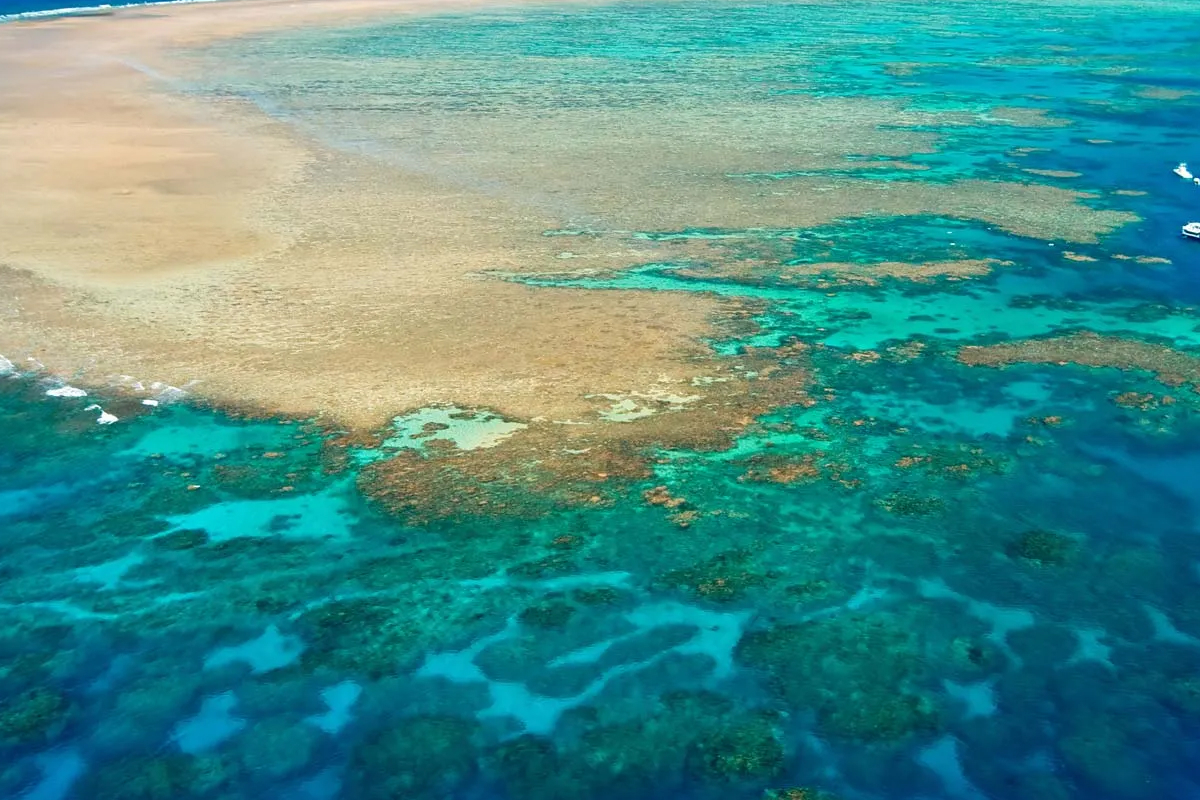
The Great Barrier Reef in Australia is widely considered the crown jewel of scuba diving. Stretching more than 2,300 kilometres, it hosts thousands of species, from manta rays to brilliantly colored fish and intricate coral formations. For decades, divers have travelled across the world to witness its unmatched biodiversity and luminous underwater scenery.
However, the reef has suffered repeated mass bleaching events caused by rising ocean temperatures. Bleaching occurs when corals expel the algae that give them life and vibrant color, leaving behind ghostly white structures. As bleaching becomes more frequent and severe, the reef's ability to recover diminishes. Scientists warn that without a drastic reduction in global emissions and better local conservation measures, vast portions of the reef may be irreversibly damaged.
Why Its Loss Would Reshape Scuba Diving
Losing the Great Barrier Reef would not only mean losing one of Earth's most diverse ecosystems; it would fundamentally change the cultural identity of scuba diving. It represents the dream destination for countless divers. Its disappearance would be a stark reminder of what humanity stands to lose without urgent environmental action.
The Maldives
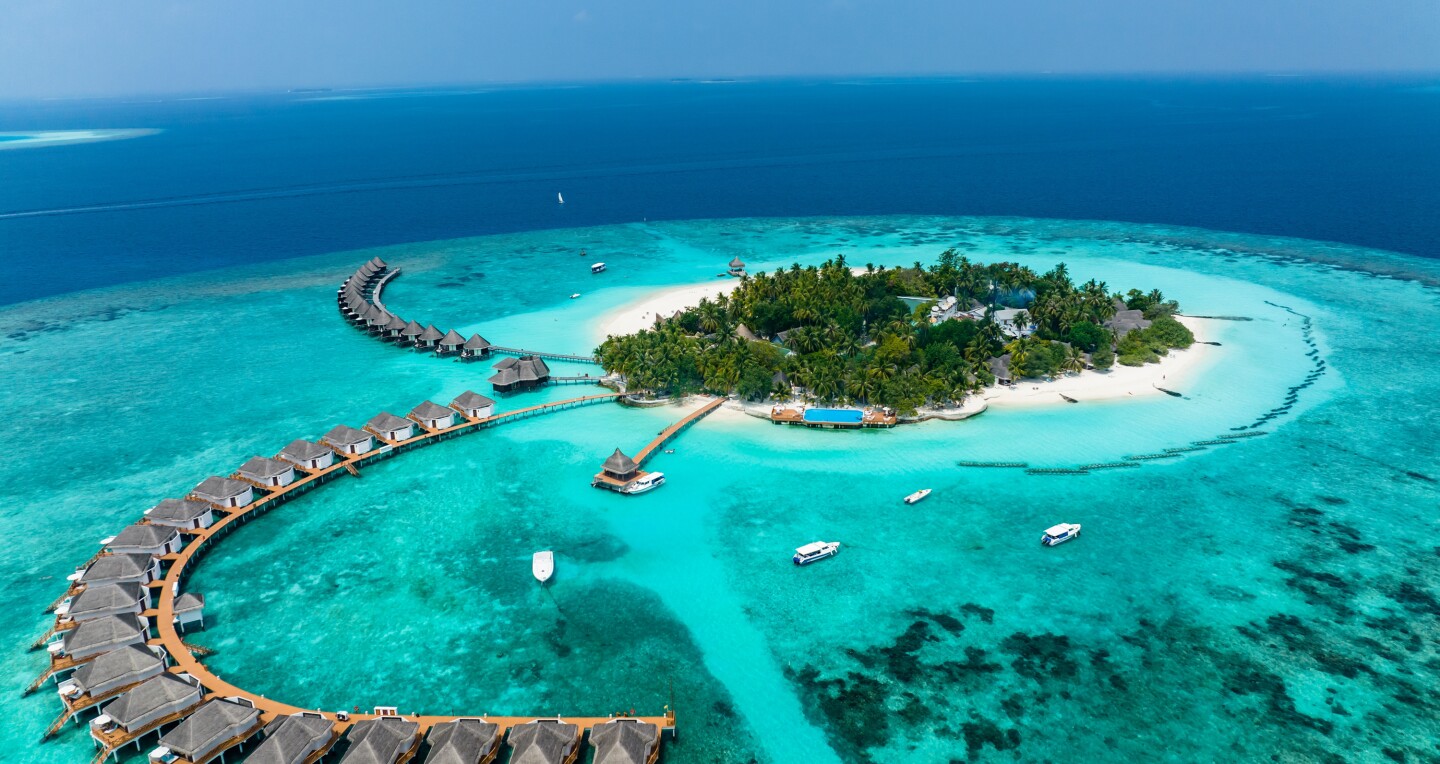
The Maldives is synonymous with luxury island escapes, crystal-clear waters, and world-class scuba diving. Its atolls provide a home to sea turtles, whale sharks, reef sharks, and thriving coral networks. These vibrant ecosystems make the Maldives one of the most enchanting underwater destinations on the planet.
Yet, the Maldives is also one of the most vulnerable nations to sea-level rise. As warming oceans expand and polar ice melts, the islands—most of which sit just over a meter above sea level—are at risk of becoming uninhabitable. Higher water temperatures also drive coral bleaching, threatening the reefs that support wildlife and attract divers from around the globe.
A Future Without Maldivian Dive Adventures
If sea-level rise continues unchecked, the Maldives may see mass coral decline, coastal erosion, and even the disappearance of some islands. This would devastate local communities and erase some of the world's most sought-after scuba diving experiences. It is a painful possibility that underscores the urgency of global climate action.
The Red Sea
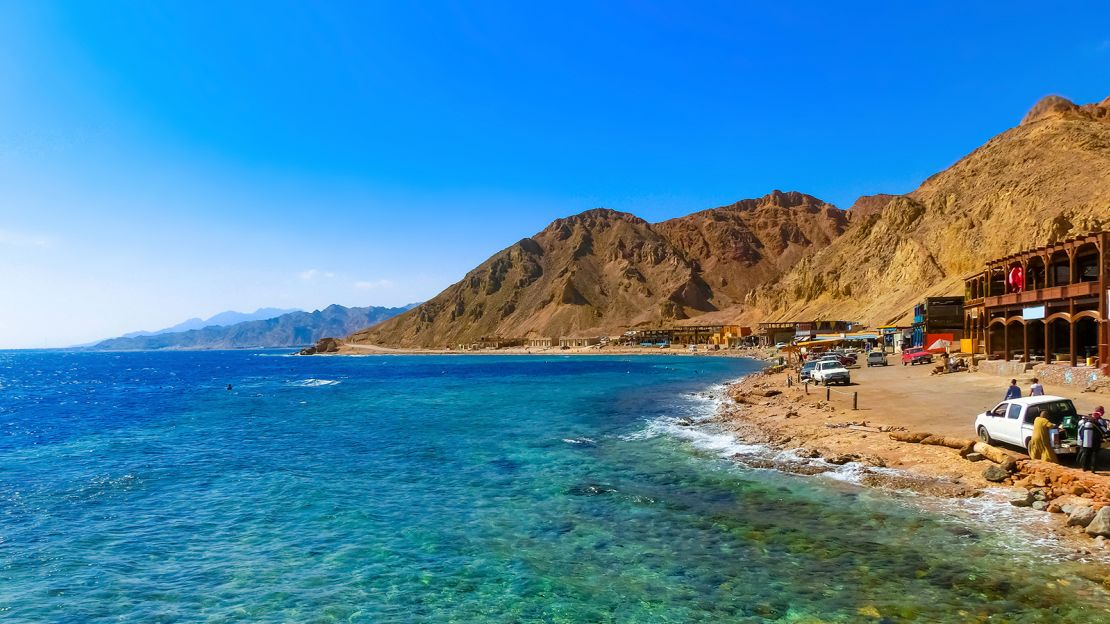
Egypt's Red Sea coast—particularly around Sharm El-Sheikh, Dahab, and Hurghada—has become a staple for the scuba diving community. Known for its exceptional visibility, vibrant coral walls, and abundant marine life, the Red Sea offers an underwater world that seems almost surreal in its beauty.
But the region faces significant threats, including warming waters, coral diseases, and pollution from rapidly growing coastal development. Overcrowding in some dive sites has also increased stress on delicate marine organisms.
The Impact on Marine Tourism and Local Communities
The Red Sea's underwater environment is central to regional tourism and the local economy. If these reefs continue to deteriorate, scuba diving tourism could decline sharply, affecting livelihoods and reducing incentives for further conservation. Protecting these waters is not only a matter of ecological importance but also economic survival.
Conclusion
Scuba diving gives us the privilege of exploring a world most people never see—a world filled with color, motion, and life. But many of these breathtaking underwater realms are teetering on the edge of collapse. Protecting them is not only an environmental necessity; it is a promise to future generations that the wonders of the ocean will remain alive and thriving.
The power to save these sites still lies in our hands. By acting now, we can ensure that the magic of scuba diving endures far into the future.