
Improving your fitness is one of the most effective ways to enhance your comfort, efficiency and safety underwater. While scuba diving relies heavily on technique and relaxation, the physical demands of carrying equipment, swimming against currents and managing buoyancy mean that divers benefit greatly from targeted training. Building strength, endurance and flexibility helps you breathe easier, move more smoothly and enjoy longer, more controlled dives. The following exercises and training strategies are designed to support divers of all levels who want to elevate their performance in the water.
Why Fitness Matters for Scuba Diving
Although scuba diving is not a high-impact sport, it requires a combination of core stability, leg strength, cardiovascular endurance and mental calmness. Stronger muscles improve finning efficiency, better cardio reduces air consumption, and greater flexibility helps you manage gear and move comfortably in a wetsuit. Good overall fitness also reduces fatigue, which improves safety and makes every dive more enjoyable. Training specifically for scuba diving helps your body adapt to the unique challenges of the underwater environment.
Building Cardiovascular Endurance for Scuba Diving
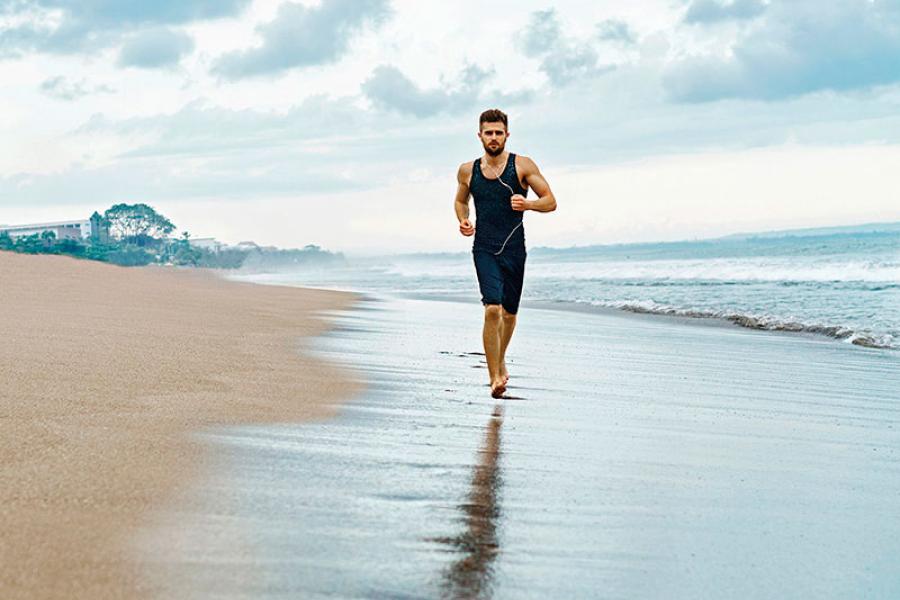
Image Source
Cardiovascular fitness plays a major role in controlling your breathing underwater. When your heart rate stays low, you use less air and maintain buoyancy more easily. Great cardio exercises for divers include steady swimming, cycling and rowing. These activities mimic the rhythmic movements of diving and strengthen the muscles you rely on most. Aim for at least 20 to 30 minutes of moderate intensity cardio three to five times per week. Over time, improved stamina helps you stay calm during descents, manage surface swims and conserve air during longer bottom times.
Strength Training Essentials for Scuba Divers
Strength training helps you handle equipment, climb boat ladders and swim confidently in varying conditions. Focus on exercises that build functional strength rather than bulky muscle. Squats and lunges strengthen the legs for powerful fin kicks, while deadlifts and hip hinges support lifting tanks safely and maintaining strong posture underwater. Upper body movements like rows, lat pulldowns and pushups support better trim, help you control buoyancy and reduce strain when carrying gear. Training two or three times per week significantly improves overall diving comfort.
Core Exercises That Improve Stability Underwater
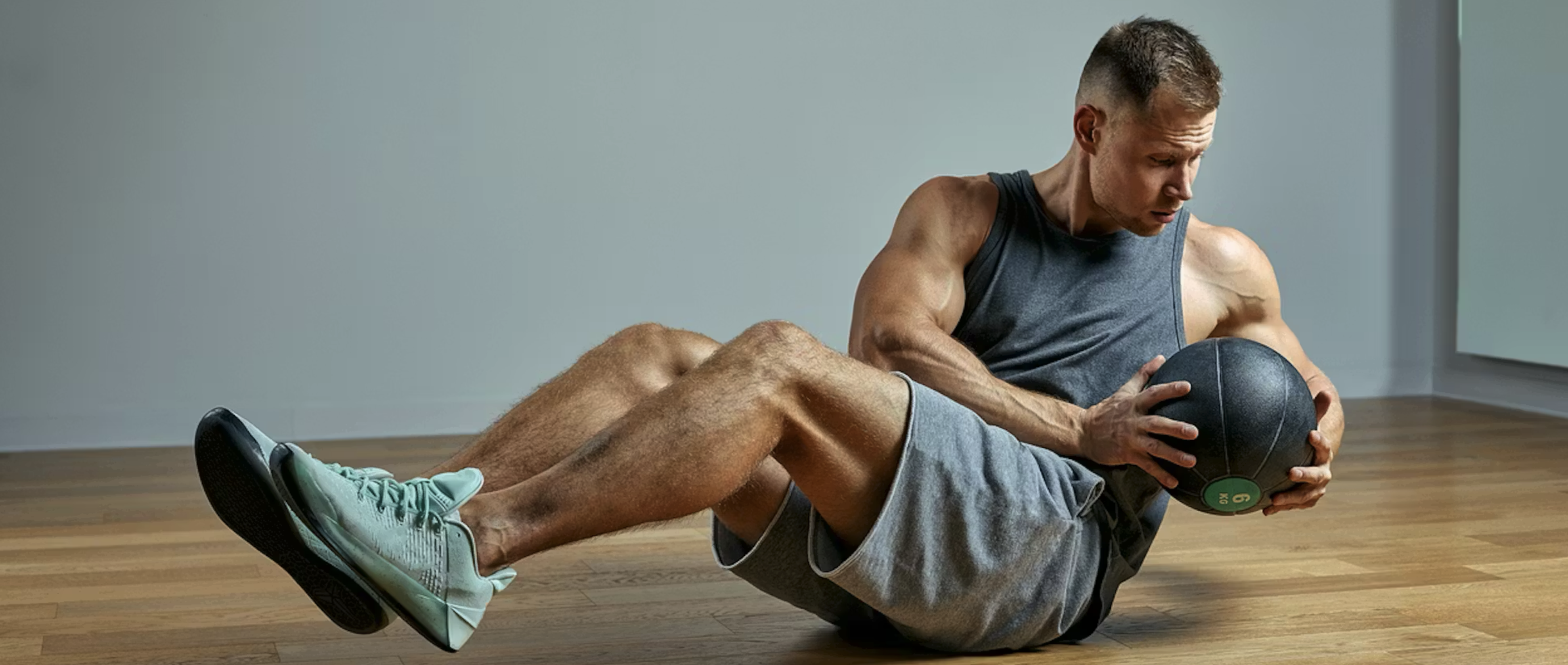
A strong core is essential for smooth, controlled movement when you are neutrally buoyant. Core strength increases stability, improves trim and reduces unnecessary movements that waste energy and air. Planks, side planks and leg raises are especially beneficial for divers. These exercises develop the deep abdominal muscles that keep you steady in a horizontal position. Practising slow, controlled core work also improves your ability to stay calm and relaxed, which supports better breathing patterns during scuba diving.
Flexibility and Mobility Training for Better Comfort
Flexibility is often overlooked in dive training, yet it makes a noticeable difference in gear
handling, finning and preventing cramps. Stretching the hips, hamstrings, calves and shoulders improves your range of motion, allowing you to move more efficiently in the water. Yoga and mobility routines are ideal for divers because they combine breath control with gentle stretching. Regular flexibility work contributes to smoother finning underwater technique
her descents, easier equipment adjustments and a more relaxed dive overall.
Breath Control Training for Efficient Air Consumption
Controlled breathing is at the heart of successful scuba diving. Practicing breath control on land helps you maintain a slow, steady rhythm underwater. Simple exercises such as diaphragmatic breathing, box breathing and long exhalations train your body to stay calm even in challenging conditions. Strengthening the diaphragm through breath-focused training supports longer dives, better buoyancy control and improved mental focus.
Swimming and Finning Drills for Better Technique
One of the most effective ways to improve your diving fitness is to practice swimming with purpose. Performing drills that mimic finning patterns builds leg endurance and strengthens the muscles you use most underwater. Flutter kick drills, frog kick practice and scissor-kick intervals help refine your technique. Adding a snorkel allows you to focus your attention on efficient movement without lifting your head. Better finning technique reduces drag, conserves air and helps you glide effortlessly through the water.
Putting It All Together for a Balanced Scuba Fitness Routine
A well-rounded training program for divers includes cardio sessions, strength workouts, core training and mobility work. You do not need excessive intensity; instead, consistency is key. Even two to three days per week of targeted training can dramatically improve your diving experience. As you build fitness, you will notice better buoyancy, longer bottom times, smoother movement and reduced fatigue. Strong physical conditioning enhances both safety and enjoyment, allowing you to fully experience the underwater world.
Conclusion
Whether you are a beginner or an experienced diver, focusing on your fitness is one of the most valuable investments you can make in your scuba diving journey. Improving your strength, endurance, flexibility and breathing techniques enhances your performance, reduces air consumption and allows you to dive with greater confidence. By incorporating these exercises into your weekly routine, you will feel stronger, more comfortable and more capable on every dive. The ocean rewards those who prepare well, and building your fitness ensures that each underwater adventure is as safe and satisfying as possible.