
Introduction
Whether you're just getting started or looking to upgrade your kit, understanding your buoyancy compensator device (BCD) is one of the most important steps you can take as a diver. For beginner divers, the right equipment doesn't just make your dive more comfortable — it makes it safer and more enjoyable too. At Dive Box, we believe that well-informed divers are confident divers, so this guide breaks down everything you need to know.
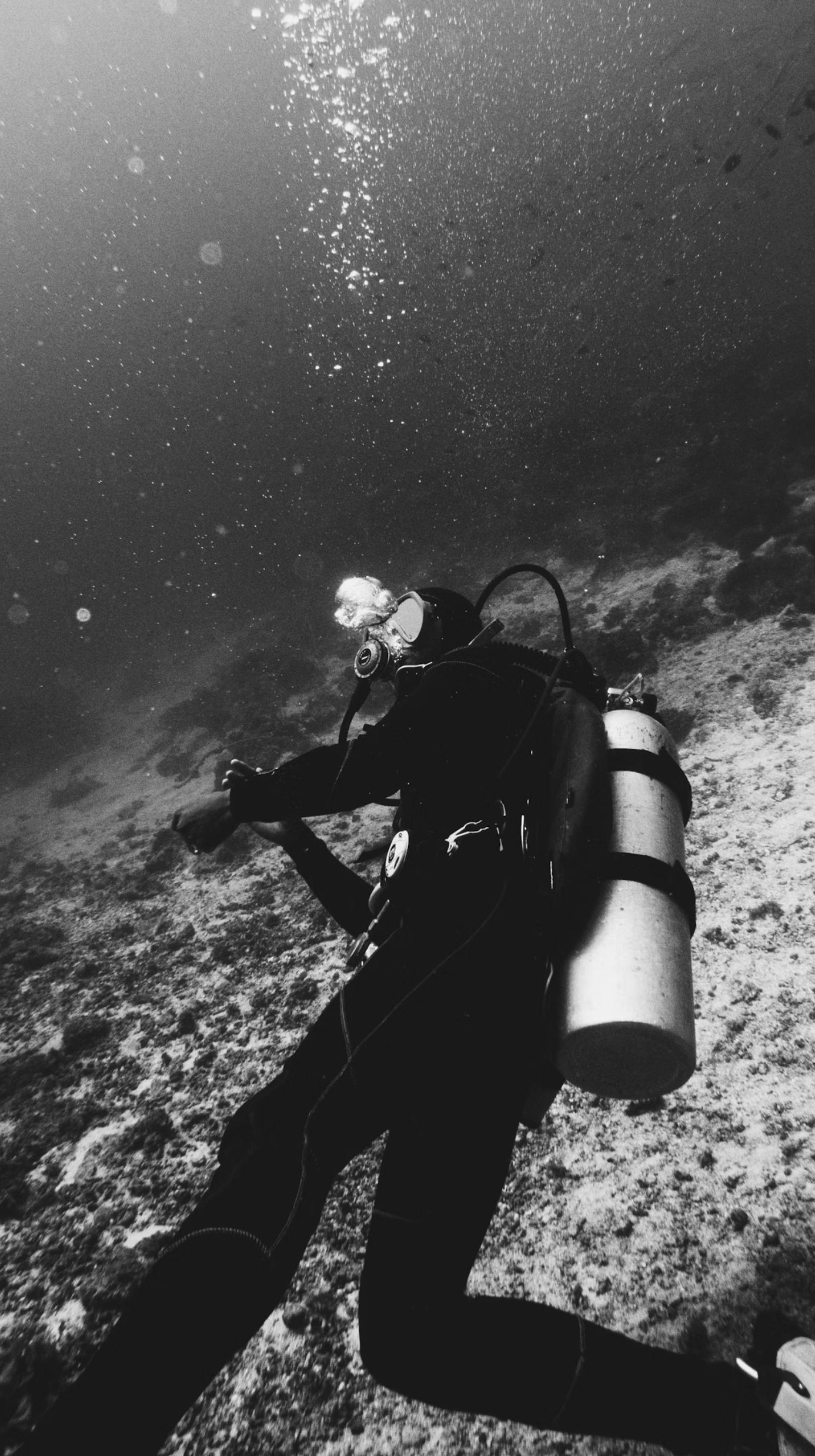
(Photo credit: Himi, 2025)
What Is Buoyancy Compensator Device (BCD) and Why Does It Matter?
Buoyancy Compensator Device (BCD) forms a critical part of any diver's setup. Without the right fit, configuration, or understanding, even experienced divers can run into difficulties underwater. The good news is that modern equipment has come a long way — today's gear is lighter, more durable, and more user-friendly than ever before. Understanding the fundamentals will help you make smarter buying decisions and get more out of every dive.
Key Features to Look For
When evaluating any piece of dive gear, several core features should guide your decision. Comfort and fit come first — gear that doesn't fit well will distract you underwater and can lead to fatigue or safety issues. Durability and build quality matter especially in saltwater environments where corrosion and UV exposure are constant factors. Ease of use is another critical consideration: the less you have to think about your equipment, the more you can focus on the underwater world around you. Finally, consider maintenance requirements — gear that is easy to rinse, service, and store will last significantly longer.
Beginner vs. Advanced Options
Entry-level gear is designed to be forgiving and intuitive, with simplified controls and broader adjustment ranges. While it may lack some of the precision features found in professional-grade equipment, it gives new divers a solid, safe foundation. As you log more dives and develop specific preferences, you'll naturally start to identify what upgrades matter most to you. Advanced options often offer finer tuning, lighter materials, and modular configurations — but they also come with a steeper learning curve and higher price point.
How to Try Before You Buy
At Dive Box Singapore, we always recommend getting in the water before committing to a purchase. Our rental fleet lets you try different configurations, and our instructors can give hands-on guidance tailored to your diving style. This is especially valuable when it comes to buoyancy compensator device (BCD), where personal preference plays a huge role. A piece of gear that works perfectly for one diver may feel awkward to another, even with identical specs.
Caring for Your Gear
Proper maintenance extends the life of your equipment dramatically. Always rinse your buoyancy compensator device (BCD) thoroughly with fresh water after every dive — saltwater, chlorine, and sand are all corrosive over time. Store gear away from direct sunlight and in a cool, dry place. For mechanical components, schedule an annual service with a qualified technician.
Conclusion
Investing in the right buoyancy compensator device (BCD) is investing in your confidence and safety underwater. Whether you're shopping for your first set of gear or looking to upgrade, the team at Dive Box is here to help you find the perfect fit. Visit us at www.divebox.com.sg or drop by our store to speak with one of our dive professionals today.